


Smart Ideas to Make a Small Kitchen More Useful in Los Angeles
Small kitchens are often underestimated. They are labeled as “cramped,” “limiting,” or “temporary.” But in reality, a small kitchen—when designed with intention—can be more efficient, stylish, and functional than a large one. The difference lies not in square footage, but in planning, design strategy, and smart execution.
Let’s discuss how a small-sized kitchen can be redesigned to serve multiple purposes, from cooking and storage to socializing and daily routines. To make it practical and inspiring, we’ll walk through a realistic case-study–style kitchen makeover, highlighting ideas that can motivate homeowners to rethink their compact kitchens and consider a strategic kitchen remodel Los Angeles homeowners often seek for urban living.
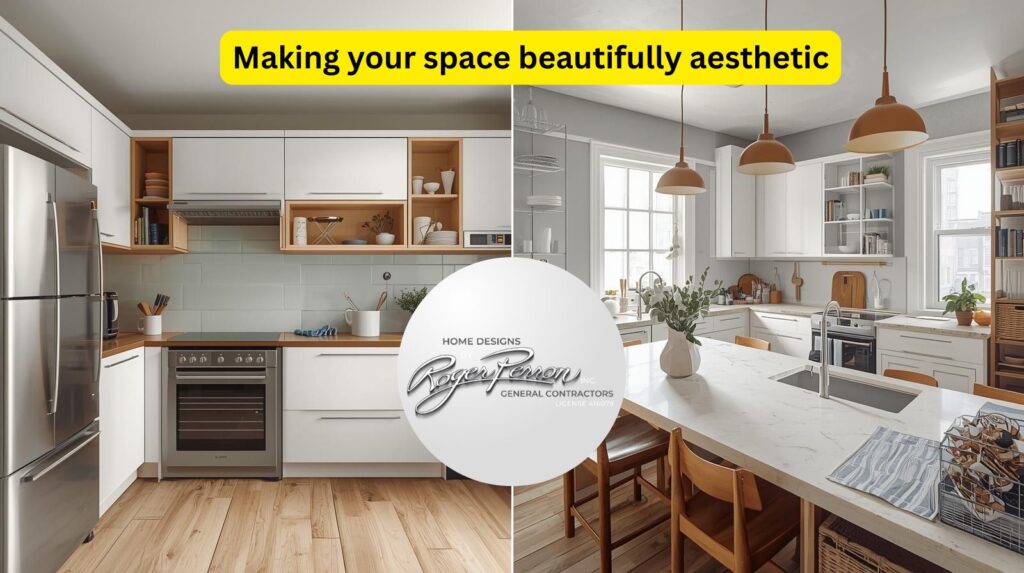
The Common Problem with Small Kitchens
Most small kitchens suffer from the same set of issues:
- Limited counter space
- Poor storage planning
- Inefficient workflow
- Dark or closed-off appearance
- Appliances eating up usable space
These problems don’t just make cooking difficult—they affect daily life. When the kitchen feels stressful, meals become rushed, storage becomes chaotic, and the space feels like a compromise instead of an asset.
But the good news? These issues are solvable without expanding the kitchen size.
Case Study: From Cramped to Clever – A Small Kitchen Overhaul
Background
A young working couple living in an urban apartment struggled with a compact kitchen measuring under 90 sq. ft. The kitchen was enclosed, storage was minimal, and cooking felt more like a chore than a pleasure. Entertaining guests or even having two people work together in the kitchen was nearly impossible.
The goal wasn’t luxury—it was functionality, flow, and flexibility.
Step 1: Redefining the Purpose of the Kitchen
Before changing cabinets or colors, the first question asked was simple:
“What should this kitchen do beyond cooking?”
The answers shaped the entire kitchen overhaul:
- Daily cooking (quick meals on weekdays)
- Weekend meal prep
- Light dining (breakfast & coffee)
- Extra storage for groceries and appliances
- A visually open, calming space
This mindset shift—from “small kitchen” to “multi-purpose workspace”—is where every successful kitchen makeover begins.
Step 2: Smart Layout Planning for Maximum Efficiency
Choosing the Right Layout
For small kitchens, layout is everything. In this case, a single-wall layout was replaced with a compact L-shaped design, immediately improving workflow.
Why it worked:
- Created a natural work triangle (sink, cooktop, refrigerator)
- Added corner storage without increasing footprint
- Allowed space for a narrow breakfast counter
Instead of fighting the limited size, the layout embraced it.
Step 3: Storage That Works Vertically, Not Horizontally
One of the biggest mistakes in compact kitchens is underutilizing vertical space.
Storage Strategies Used:
- Ceiling-height cabinets to eliminate dead space
- Pull-out pantry units instead of bulky shelves
- Deep drawers instead of lower cabinets
- Hidden toe-kick drawers for rarely used items
By designing upward instead of outward, the kitchen gained nearly 30% more usable storage—without feeling crowded.
Step 4: Multi-Functional Elements Are the Real Game-Changer
In a small kitchen, every element should serve more than one purpose.
Examples from the Makeover:
- A slim peninsula that works as:
- Prep counter
- Breakfast table
- Extra workspace
- Built-in appliances that:
- Reduce visual clutter
- Free up counter space
- A combination microwave–oven unit instead of two separate appliances
These choices turned the kitchen into a versatile, all-purpose hub, not just a cooking zone.
Step 5: Light, Color, and Visual Space Illusion
Small kitchens often feel smaller because of poor lighting and dark finishes.
Design Choices That Opened the Space:
- Light-toned cabinetry (warm whites & soft neutrals)
- Glossy backsplash tiles to reflect light
- Under-cabinet LED lighting for depth
- Minimal hardware for a clean, uninterrupted look
The result? A kitchen that feels larger, brighter, and calmer—even without changing the actual dimensions.
Step 6: Materials That Balance Durability and Style
A good kitchen remodel isn’t just about looks—it must handle daily wear.
Materials selected for the makeover included:
- Quartz countertops (low maintenance, high durability)
- Matte-finish cabinets to reduce fingerprints
- Easy-to-clean backsplash materials
- Water-resistant flooring with a seamless look
This balance ensured the kitchen stayed practical while still feeling modern and aspirational.
Step 7: Making the Kitchen Social (Yes, Even Small Ones!)
A major misconception is that small kitchens can’t be social spaces. This makeover proved otherwise.
By opening a partial wall and adding a compact seating ledge, the kitchen became:
- A place for morning conversations
- A spot where guests could sit without crowding
- A connected extension of the living space
This emotional upgrade often matters more than any cabinet or appliance.
Results: What Changed After the Kitchen Makeover?
After the kitchen overhaul, the transformation was clear:
- Cooking time felt easier and faster
- Storage clutter disappeared
- Two people could work comfortably
- The kitchen became part of daily living, not a closed-off corner
Most importantly, the homeowners no longer saw their kitchen as “small”—they saw it as smart.
Why Small Kitchens Are Perfect Candidates for Remodeling
A compact kitchen actually offers advantages:
- Lower renovation cost compared to large kitchens
- Faster installation timelines
- Easier maintenance
- Higher ROI when designed efficiently
That’s why many homeowners exploring a kitchen remodel in Los Angeles – style project focus on smart redesigns rather than expansions.
Practical Tips If You’re Planning Your Own Kitchen Overhaul
If you’re considering a makeover for a small kitchen, keep these principles in mind:
- Design first, materials later – layout matters more than finishes
- Think vertically – walls are valuable real estate
- Choose multi-purpose elements
- Keep the palette light and cohesive
- Avoid overloading with decor or appliances
A well-planned compact kitchen often outperforms a poorly planned large one.
Final Thoughts: Small Kitchens, Big Possibilities
A small kitchen doesn’t need to feel like a compromise. With the right strategy, it can become:
- Efficient
- Elegant
- Multi-functional
- A space you actually enjoy spending time in
Whether you’re inspired by a case study like this or exploring ideas for a personal kitchen makeover, the key takeaway is simple:
Size limits space—not potential.
If your current kitchen feels restrictive, it might not need more area—it might just need a smarter vision.


